When an Open Ending Works—and When It Feels Like a Cop-Out
An open ending does not need to settle every fact, but it must complete the story’s deeper work. Use this practical test to tell meaningful uncertainty from evasion.


An open ending does not need to settle every fact, but it must complete the story’s deeper work. Use this practical test to tell meaningful uncertainty from evasion.
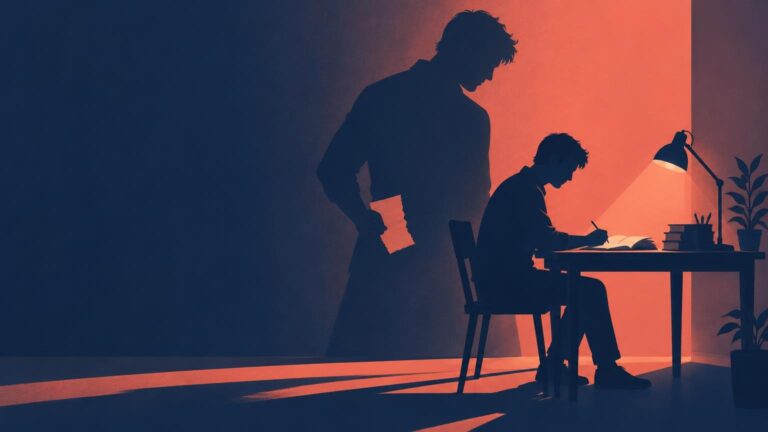
First-person narration brings us close to a character while trapping us inside that character’s limits. Here is how to tell ordinary subjectivity from genuine unreliability.

A foreseeable ending can be powerful when the outcome grows from character, sharpens anticipation, and leaves readers with more to discover than what happens.
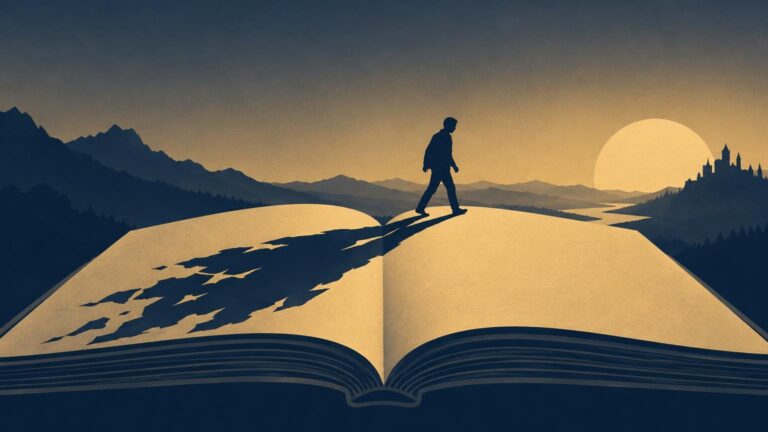
A protagonist does not have to be pleasant or morally admirable. The better test is whether the story makes that character compelling, understandable, and worth following.
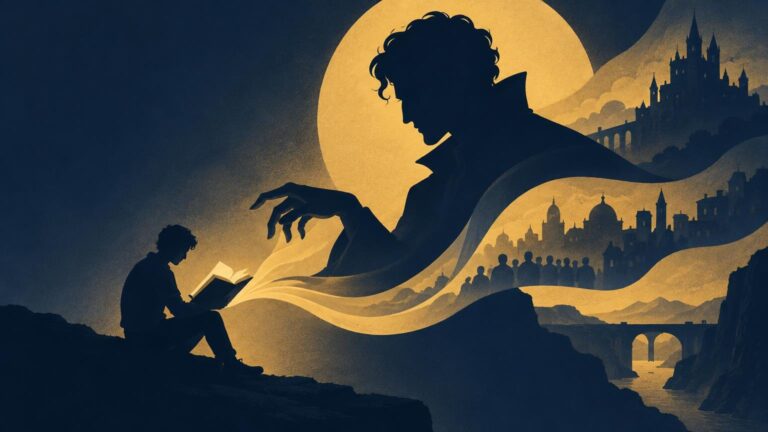
Villains often command attention because they carry a story’s strongest desires, contradictions, choices, and moral questions. Here is how to recognize that effect without confusing fascination with approval.

Books offer voice, interiority, and room to linger; movies offer performance, sound, imagery, and concentrated momentum. Here is how to compare them without asking only which version is better.